

Hope ADHD Focused Program

The primary characteristic of ADHD is a lack of focus, impulse control and reward seeking behaviors, which increases the likelihood of developing addiction issues.
ADHD and Addiction Treatment
At Hope Rehab in Thailand, we understand that (ADHD) Attention-Deficit-Hyperactivity-Disorder is a common issue for many of our clients and they often seek help for both ADHD and addiction. It can be a vicious cycle or ‘chicken and egg situation’ as they say – especially if medicated on stimulants for years. Some clients then find a need to counterbalance using other substances like alcohol. Whatever the addiction, it is made all the tougher to overcome together with ADHD.
What is ADHD?
ADHD is a dopamine-based brain condition much like addiction. Put simply, it effects the brains reward pathways and chemistry responsible for experiencing pleasure. ADHD is categorized as a learning disability dues to its impact on development.
To treat ADHD it is important to recognize the symptoms….
- Boredom
- Zoning out
- Fidgeting and restlness
- Low self-worth
- Easily distracted
- Procrastination
- Time management issues
- Memory problems and forgetfulness
- Seeking instant gratification
- Trouble focusing on routine tasks
- Difficulties learning
- Trouble following instructions
- Feeling Overwhelmed
- Not completing commitments
- The need for stimulation
- Difficulty paying attention
- Compuslive behaviour
- Poor emotional regulation
- Depression and anxiety
- Compulsive behaviour.
- Low motivation
- Anger issues
- Low stress tolerance
- Feeling lost
ADHD and Substance Issues (Self-Medicating)
The primary characteristic of ADHD is a lack of focus, impulse control and reward seeking behaviors, which increases the likelihood of developing addiction issues. Many sufferers are also self-medicating the ADHD or the imbalance caused by prescribed medications. This then leads to substance abuse and addiction.
ADHD affects the individual who has it and their family. Many people feel confused, overwhelmed, and concerned about their loved one’s behavior. This is especially when medication alone does not provide a solution and even becomes part of the problem.
Thailand: A Change of Environment
The right environment and location can make a huge difference to your treatment and recovery. Hope is located only 45 minutes from Bangkok International Airport (BKK) so easily accessed by our clients. We are in a picturesque part of Thailand with many natural resources nearby. Our location in Thailand is a gentle and spiritual place. Sriracha is the forgotten Jewel in the crown of Thailand. Because of its commercial ports it has been ignored by tourism – a blessing for us perched on the hill overlooking the ships moving in and out of the ‘Port of Siam’. An interesting sight for our clients, sitting on the terrace, watching the sun go down over the sea in the evening.
We offer a supportive community in a peaceful setting where you are given the space to begin healing and thinking about a new future in recovery. Our location is unlike any other in Thailand: it’s safe, surrounded by fresh Sea air and away from temptations.
Hope ADHD/Addiction Treatment Program
The goal is to help our clients understand themselves and develop a recovery program that helps them have a healthy life free of substance abuse. Our program also builds discipline and instils a strong sense of purpose and meaning. The treatment program includes a stable daily schedule, combining therapy and group sessions, coaching and physical activity. These skills can later be transferred into work, education, and life generally.
The Hope ADHD management program takes a robust therapeutic approach to lifestyle change. There are 4 main program pillars, individual therapy, Groupwork, Mindfulness meditation and fitness.
Fitness classes and group activities are an important component of the Hope program. It is long understood that regular exercise aids recovery and mental health. Acting as a natural anti-anxiety and anti-depressant. There are many other benefits for health and quality of life. Regular fitness and physical activities also help with ADHD symptoms, such as mood, teaches behavioral control, sharpens the mind and improves focus.
- Evidence-based therapies
- Cognitive Behavioral Therapy (CBT)
- Counselling and goal setting
- Groupwork program
- Structured daily routines
- Physical fitness activities
- Mindfulness meditation practices
- Sober coaching and relapse prevention
- Addiction recovery program
Hope ADHD Focused Program
PROGRAM: Weeks 1 & 2 ADHD and Addiction Treatment Plan
This is generally regarded as the introduction phase of treatment. Clients are given time to settle in. Some clients require a detox and some a few days to adjust to living in a community. This is when you will get to know your counsellor and agree your treatment plan and goals. Together with your counsellor you identify the assignments and activities you wish to focus on. Also at this stage…
- Treatment goals
- Identifying ADHD symptoms and triggers
- Introuduction to mindfulness and coaching
- Psychoeducational Groups - understand your issues
- CBT
- Thai massage therapy
- Fitness assessment
- Bonding with the community
PROGRAM: Weeks 3 & 4 ADHD and Addiction Counselling
This is very much the action stage of treatment. After integrating into the community and starting the therapeutic process, it is time to complete the assignments set by your counsellor. Daily groupwork will start to take effect after building trust and sharing. Now it is time to learn the tools to manage the effects of ADHD. By this time you will also start…
- Individual counselling
- Regular check-ins
- Life story and timeline
- Recovery assignment work
- Mindfulness groups and practice
- Fitness and Yoga classes
- Offsite excursions
PROGRAM: Weeks 4 plus + Extended Therapy
Advanced treatment program and recovery maintenance stage. Recovery is now well under way and you start making progress and plans. Exploring self-lead recovery and setting a positive example to others in group and the community.
- Processing issues with counsellor
- Group process
- Exposure therapy
- Family involvement
- Leadership and self-guided recovery
- Using ADHD management tools
- Community role model
Hope ADHD Focus Program
The Hope program is built on the foundational concept that together we are stronger. Being part of a community provides support, encouragement, inspiration, and shared knowledge. Groupwork is where we work as a team as we strive towards a common goal.
Hope Groupwork program Benefits in brief
- Share powerful experiences with others
- Personal growth through relationships in the community
- Time-management using the Hope program timetable
- Communication styles in the outside group
- Emotional resilience and tolerance living in a community
- Healthy habits, routines, and rituals
- Anger management
- Confidence and leadership role in group
- A supportive community and environment
- Opportunities to build meaningful friendships
- Discover new interests
There are 4 main program pillars: individual therapy, groupwork, mindfulness meditation and fitness.
Counselling
Counselling is another key element of the Hope program. This relationship is based on trust. It means you get to talk about things without fear of being judged or rejected. The goal of these sessions is to help you achieve your treatment goals. This requires focusing on anything that might be getting in the way of this (e.g. trauma, guilt, denial, or resentment).
Hope individual Counselling benefits in brief:
- Goal setting and break goals into manageable steps improve decision-making
- Therapeutic assignments set and processed
- Develop accountability and responsibility for behaviors
- Cognitive Behavioral Therapy (CBT) understand how thinking patterns affect behavior
- Recognize distraction triggers and impulse control
- Learn problem-solving skills
- Dialectical Behavior Therapy (DBT)
- Motivational Interviewing (MI) to encourage change and motivation
- Sleep stabilization helps with energy levels
- Digital or environmental distraction control
- Behavior and Sober Coaching

Mindfulness/Meditation
Those of us with a history of ADHD might be concerned that meditation/mindfulness is beyond us. Perhaps we tried it in the past and found that thoughts just wouldn’t calm down. But this might be like going to the gym for the first time and deciding we are no good at it because we can’t lift the heaviest weights. It is often those of us with ADHD that could most benefit from meditation/mindfulness.
One of the skills we develop in meditation is concentration. Most people say that ADHD means you can’t concentrate, but this is not strictly true. Those of us with the condition can focus perfectly well on things we are interested in. It is just that we become distracted or lose interest easily. Meditation can teach us how to sustain our concentration for longer.
At Hope we understand the important of evidence. One of the things we do as part of the mindfulness program is monitor improvements in concentration. We do this using mala beads where each bead represents one in-breath and out-breath. We challenge ourselves to see how many beads we can go before we get distracted. As the weeks go by, we start to see visible proof of improvements in concentration as we manage to stay longer with the beads.
Mindfulness and mental focus training at Hope in brief:
- Meditation groups
- Quietening the monkey mind
- Grounding techniques
- Mala beads to track concertation improvements
- Breathing exercises
- Mindfulness coaching
- Stress management techniques
- Appreciating our environment (mindful looking)
- Somatic awareness
Physical Activity
Physical activity is great for mind and body. It also helps to boost our self-esteem, energy levels, and motivation. Many of us arrive at rehab feeling like physical wrecks, but it doesn’t have to take long before we start to feel the benefit of exercise and healthy eating.
Physical Exercise Program at Hope in brief:
- General fitness training
- Gym and muscle workout
- Hiking and walking
- Muay Thai boxing
- Cycling and other outdoor activities
- Swimming
- Yoga and stretching
- Pilates and Tai Chi
Expectations and Treatment Outcomes
Please remember, Hope is not a hotel or resort, we are not even a retreat. We are a serious residential rehabilitation program. This means clients agree to participate in all our therapeutic activities and work on themselves. Hope has the highest success rate with clients who adopt our program and follow their counsellor’s advice. The more effort clients put into their recovery, the more they get out. Obviously the longer a client can afford to commit to treatment the better the outcome.
Tips to Manage ADHD Symptoms
- Improve your sleep hygiene
- Counter boredom with exercise
- Use a weekly planner
- Volunteer
- Listen to calming music
- Dietary adjustments
- Make use of organizational and productivity tools
- Stick to structured routines
- Limit screen time
- Wake up at the same time daily
- Avoid distractions
- Use visual aids (e.g. sticky notes)
- Only use the bed for sleeping
- Always get daily tasks done
- Join a local gym
- Do morning fitness
- Take notes and use to-do lists
- Practice pausing when stressed
- Take time to cook
- Use a lockbox for digital devices to disconnect
- Practice spiritual rituals (e.g. chanting or praying)
- Find healthy stimulating activities
- Practice daily meditation
- Drink less caffeine
- Read positive affirmations
- Compassion practices - hug your inner child
- Clarify your goals periodacally
- Monitor progress towards goals
- Keep a daily journal
- Gratitude list
- Take time out to clear your mind
- Make room in your life for laughter
- Sign up for a college course
- Be kind and of service to others
- Spend time in nature
- Draw and paint (be creative)
ADHD Strengths and Assets
Many people with ADHD are successful, so here are some positive characteristics that are associated with ADHD such as:
- Energy
- Work ethic
- Humor (e.g. quick-witted because they can see connections fast)
- Adaptability
- Creative
- Enthusiasm
- Adventerous
- Reseilience
- Multi-tasking
If you would like to find out more about the ADHD-focused recovery program we offer at Hope Rehab Thailand, please contact us for more information.

Addiction to ChatGPT, Claude, and Other AI
Addiction to ChatGPT, Claude, and Other AI Making Friends with AI Imagine a friend who was always there for you at any time of the

Why do Intelligent People Struggle with Addiction?
Why do smart people struggle with addiction? Discover why intelligence alone can’t protect against addiction, and may even work against you.

Karma in Recovery
Karma in Recovery “Your actions are remembered”. Understanding Karma can Help Us in Recovery At Hope we encourage our clients to develop their own spiritual

What Do We Mean by Unmanageability? How Does it Relate to Addiction?
What Do We Mean by Unmanageability? How Does it Relate to Addiction? “I drank because life was hard; my life was so hard because I
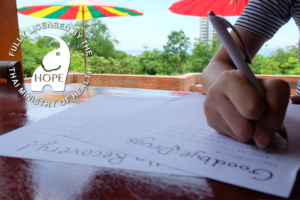
Rewrite Your Life With These Two Letters
Rewrite Your Life With These Two Letters Goodbye Addiction – Hello Recovery Could Writing a Letter Change Your Life? The great advantage of putting things

How Will I Sleep Without Alcohol?
How Will I Sleep Without Alcohol? The sad irony is that alcohol is a common cause of insomnia. I Need Alcohol to Sleep The fear