

Hope Rehab Thailand
Women’s Treatment Program

A Recovery Program Designed Around Women’s Needs
Hope Rehab offers the best of both worlds. Our residential program reflects the diversity of real life, bringing together people of different genders, sexual orientations, ages, backgrounds, and life experiences. This provides clients with an opportunity to practise communication, relationship skills, healthy boundaries, and conflict resolution in a realistic social environment.
At the same time, Hope offers women-only activities, groups, and a therapeutic space where women can explore issues that may feel more difficult to discuss in a mixed-gender environment.
Recovery is about much more than simply stopping the use of alcohol, drugs, or medication. Many women also struggle with other addictive or compulsive behaviours, including problematic relationships with food, social media, gambling, or other behaviours used to cope with difficult emotions.
At Hope, we focus on sustainable recovery by addressing the underlying emotional, psychological, relational, physical, and existential issues that may have contributed to addictive behaviours in the first place.
The Benefits of Hope’s Women’s Program
Hope provides a range of women-focused opportunities within the wider residential programme, including:
- Women-only dedicated space
- Women’s group program
- Female therapists
- Private physical and body-based therapies, including:
- Yoga therapy
- Massage therapy
- Mindfulness
- Singing bowl therapy
- Fitness and movement
- Remote family therapy
- Opportunities to maintain contact with loved ones during treatment
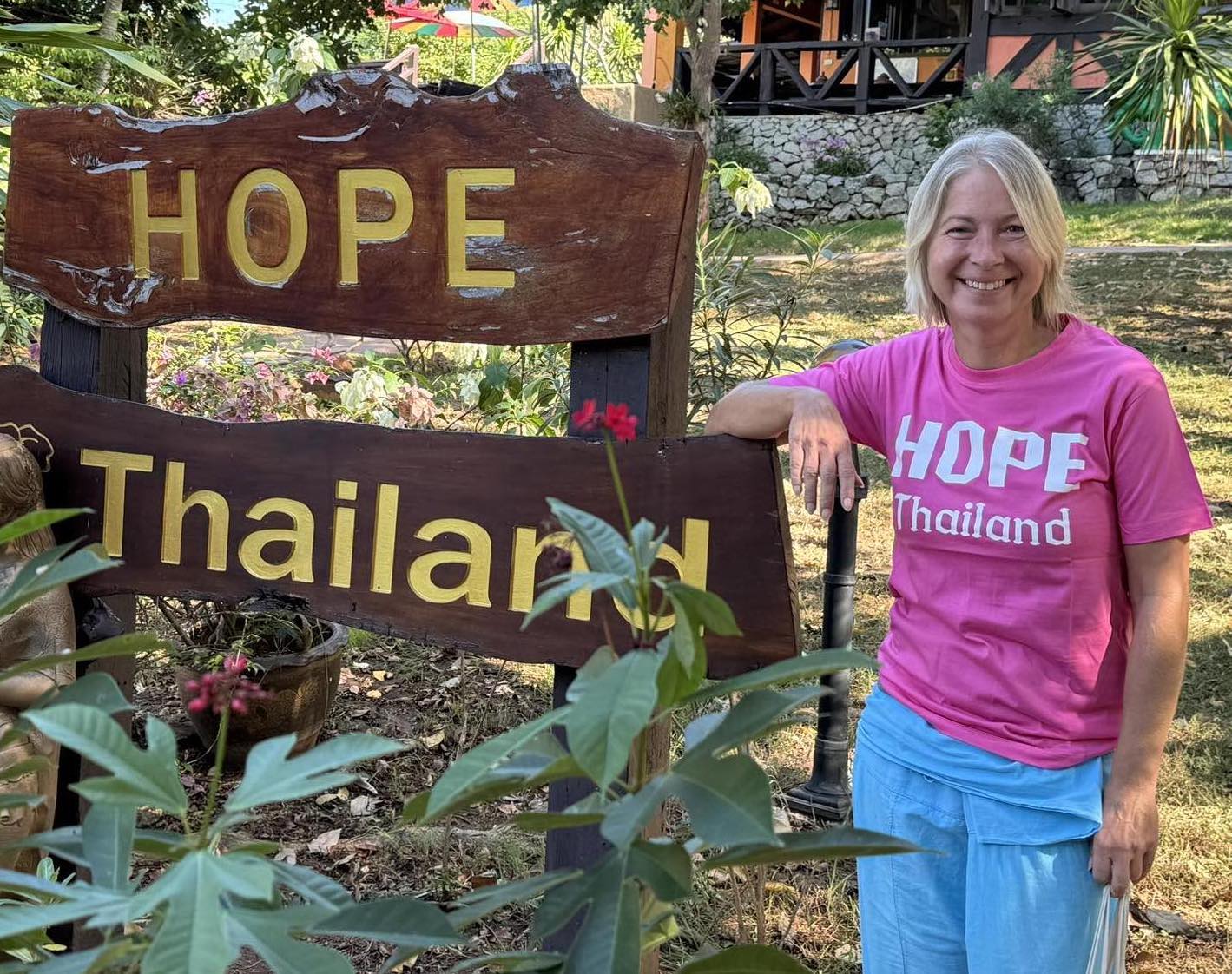
These additional spaces and services allow women to address gender-specific experiences while still benefiting from the diversity and social realism of the wider Hope community.
Addiction and Existential Issues
For many women, recovery involves much more than overcoming substance use. It can involve reconnecting with a sense of identity, meaning, purpose, and direction.
Women can sometimes lose themselves in the demands and expectations of caring for children, partners, families, careers, and others. Years of putting other people’s needs first can leave little time to ask: What do I want? Who am I outside of my responsibilities?
This can become particularly significant when children grow up and leave home. After years of being busy and having a clear role within the family, some women can experience what is commonly described as empty-nest feelings — a sense of loss, loneliness, or uncertainty about what comes next. For some women, alcohol, drugs, food, or other addictive behaviours can become a way of filling that emotional void.
Recovery provides an opportunity to rediscover who they are beyond the roles they have occupied for years. This can include setting meaningful goals, developing new interests, establishing new aims, and exploring what gives their lives meaning and purpose. Rather than simply asking: “What do I want to stop doing?” – recovery can encourage the deeper questions:
“Who am I?”
“What is important to me?”
“What do I want my life to become?”
An important part of this process is reconnecting with other people. Service to others and involvement in the wider community can help women develop a renewed sense of belonging, value, contribution, and purpose.
By moving beyond isolation and rebuilding meaningful connections with themselves, other people, and their communities, women can begin creating lives that offer fulfilment and meaning without relying on addictive behaviours.
The Importance of Connecting with Other Women
There can be particular value in women having opportunities to connect with other women during recovery. A women-only environment can encourage:
- Emotional safety
- Greater participation and engagement
- Open and honest sharing
- Mutual support
- Shared experiences
- Greater empathy and understanding
- Positive role models
- Safer conversations about trauma and abuse
- Discussion of relationship difficulties
- Understanding of family pressures
- Honest conversations about substance use, cravings, and relapse
- Learning from other women’s experiences
- Building healthy support networks
- Developing sober friendships
- Reduced isolation and loneliness
Women’s Group Program
For some women, hearing another woman describe an experience that they believed was unique to them can be enormously powerful. It can reduce shame, challenge feelings of isolation, and create the understanding that “I am not the only one.”
Women’s Group-work Topics
- Advantages of women connecting with women
- Self esteem/Self worth
- Red flags in romantic relationships
- Abuse/Grief
- Shame and guilt
- Self-abandonment
- Family dynamics
- Mental health & Addiction
- Disordered eating patterns/Body dysmorphia
- Self care & Self love
- Empowerment
- Sober sex/recovery
Addiction, Career and Financial Independence
Addiction can have a significant impact on employment, careers, education, and personal development. Women may feel that they have lost not only important opportunities but also their confidence, independence, and sense of direction.
Financial dependence can create additional challenges. Some women are not in paid employment and rely financially on a partner. This can contribute to isolation, reduced independence, and a feeling of being trapped or without choices.
Spending long periods at home without sufficient purpose, structure, social connection, or personal fulfilment can also contribute to increased drinking or other addictive behaviours.
Recovery provides an opportunity to rebuild. As women become free from addiction, they can develop a renewed sense of self-worth, confidence, capability, and independence. Recovery can be the beginning of developing new skills, returning to education or employment, exploring financial independence, and creating a meaningful future.
The goal is not simply to stop using substances. It is to help women recognise their strengths and develop the confidence to build a life they genuinely want to live.
Addiction and Mental Health
Addiction can have a significant impact on women’s emotional and mental wellbeing, often contributing to feelings of guilt, shame, anxiety, depression, and emotional overwhelm. Many women also experience the pressures of balancing family responsibilities, relationships, careers, finances, and the expectations placed upon them.
Women today can feel expected to manage multiple roles simultaneously — caring for families, maintaining homes, developing careers, supporting partners, and meeting the needs of others — often with limited support or time for themselves.
Hope provides a safe environment away from these everyday pressures. Treatment creates the space to step back, understand what is contributing to emotional distress, and develop practical tools for managing life’s demands.
Recovery involves learning healthier ways to manage stress and developing effective coping skills to deal with difficult emotions and challenging situations without turning to substances or other addictive behaviours.
At Hope, we use a range of approaches to support emotional wellbeing and help women develop greater calm, balance, and self-awareness. These include:
- Mindfulness
- Singing bowl therapy
- Sleep hygiene
- Relaxation techniques
- Physical activity and fitness
- Body-based therapies
During treatment, women can explore the pressures they have been carrying and develop a practical plan for managing these pressures more effectively when they return home.
Relationships and Recovery
Relationships can play a major role in both addiction and recovery. Many women entering treatment have experienced unhealthy relationship patterns, difficult or harmful partners, abandonment, betrayal, or a fear of being alone. These experiences can affect self-esteem, trust, boundaries, and the ability to develop healthy and fulfilling relationships.
Recovery provides an opportunity to examine patterns involving love, sex, attachment, and codependency. Some women may have learned to seek validation through relationships, become emotionally dependent on partners, or mistake unhealthy attachment for love. Learning to establish healthy boundaries, develop independence, and build self-worth can therefore become an important part of recovery.
Shame, Secrets and Self-Acceptance
Shame and secrecy can also play a significant role in addiction and relationships. Women may carry secrets about their substance use, past experiences, relationships, sexuality, or behaviours. Keeping these experiences hidden can reinforce shame and prevent women from seeking help.
A safe therapeutic environment can provide an opportunity to explore these issues without judgement, develop greater honesty and self-acceptance, and understand the experiences that have shaped their behaviour.
Sexuality and Identity
Issues surrounding sexuality and sexual identity can sometimes create confusion, particularly when combined with addiction, shame, trauma, or unhealthy relationships. Recovery can provide a non-judgemental space to explore these feelings and experiences and develop a stronger, more authentic sense of self.
Family and Children
Addiction can profoundly affect relationships with partners, family members, and children. Recovery can involve rebuilding trust, improving communication, establishing healthier boundaries, and repairing relationships where this is possible. Family therapy can help loved ones better understand addiction while giving women an opportunity to begin rebuilding damaged relationships.
Forgiveness and Making Amends
Forgiveness can also become an important part of recovery. This may involve learning to forgive oneself, as well as considering whether and how to forgive others. Making amends allows individuals to take responsibility for harm caused by their addiction and, where appropriate, begin repairing damaged relationships.
However, forgiveness does not mean accepting harmful behaviour, and reconciliation is not always appropriate. Recovery also means learning when to let go, how to establish boundaries, and how to protect one’s own wellbeing.
Self-Care and Wellbeing
Self-care is something many women readily connect with — often expressed through the question: “Where is my ‘me’ time?”
For many women, recovery is an opportunity to rediscover the importance of making time for themselves. Self-care is not simply about pampering or taking time off. It is about recognising that physical, emotional, and psychological wellbeing are essential to long-term recovery.
Addiction can lead women to neglect their own needs while focusing on everyone else. Recovery involves recognising these patterns and learning to prioritise themselves again. This can include exploring:
- Self-worth
- Confidence
- Self-image
- Body image
- Personal identity
- Healthy boundaries
- Emotional needs
- Rest and relaxation
- Healthy routines

Food and Diet
It can also involve exploring the ways food or other behaviours may be used to comfort, reward, distract from, or cope with difficult emotions.
Understanding comfort eating and problematic relationships with food can help women begin developing healthier relationships with both food and themselves.
Food, Health and Enjoyment
Food can also become a positive part of recovery. Rather than viewing food only through the lens of restriction, dieting, or problematic eating, women can learn to reconnect with food as something that can provide nourishment, creativity, pleasure, and connection.
Thai cooking classes, for example, can encourage women to take an interest in food in a healthy and enjoyable way. They can develop practical cooking skills, learn about nutrition, experiment with new ingredients, and experience the social enjoyment of preparing and sharing nutritious meals. Recovery should include opportunities to rediscover healthy sources of pleasure and enjoyment.
Attention to Women’s Health Needs, Body-Based Recovery and Wellness
Women’s physical health can have a significant impact on emotional wellbeing and recovery. Hormonal changes and other health issues can influence mood, sleep, cravings, stress levels, and emotional regulation. Menstrual cycles, perimenopause, menopause, thyroid conditions, pregnancy and postpartum changes, and chronic pain can all affect a woman’s experience of recovery.
A women-specific programme can create greater awareness of these issues and provide an environment where women feel comfortable discussing concerns that they may otherwise overlook or feel embarrassed to raise. This can include:
- Recognising physical and emotional symptoms that may overlap with cravings or mood changes
- Understanding how disrupted sleep can affect emotional regulation
- Recognising when anxiety, irritability, fatigue, or low mood may have physiological contributors
- Developing healthy routines around sleep, nutrition, movement, and rest
- Building greater awareness of the connection between physical and emotional wellbeing
Mindfulness Coaching and Groups
We also use mindfulness-inspired and body-based approaches to help women reconnect with their bodies in a respectful, safe, and grounded way. Many women in recovery have become disconnected from their bodies through trauma, shame, chronic stress, or years of using substances or other behaviours to numb difficult feelings.
Recovery provides an opportunity to rebuild that connection. Learning to listen to the body can strengthen self-awareness and self-trust. Women can learn to recognise physical and emotional signals of stress, discomfort, and overwhelm earlier — giving them an opportunity to respond before these feelings develop into cravings or behaviours that threaten their recovery.
Women’s Trauma, Abuse and Loss
Many women entering recovery have experienced trauma, abuse, neglect, or significant loss. These experiences can profoundly affect a woman’s ability to trust others, feel safe, regulate emotions, and build healthy relationships.
For some women, substance use has become a way of coping with painful memories, fear, grief, or emotions that feel impossible to manage.
This is why trust, safety, and security are fundamental to effective treatment.
Women need an environment where they feel respected, listened to, believed, and protected from judgement. A strong sense of psychological and emotional safety provides the foundation from which women can begin addressing difficult experiences rather than continuing to avoid or numb them through addictive behaviours.
Treatment should not force women to disclose experiences before they are ready. Instead, it should create the conditions in which trust can gradually develop and women can work through difficult experiences at an appropriate pace.
Bereavement and Grief
Grief is another important but sometimes overlooked aspect of recovery. Women may be grieving the death of a loved one, but grief can also follow many other forms of loss: the end of a relationship, separation from children, loss of a career, deteriorating health, financial independence, or the loss of the life they believed they would have.
Some women may also be grieving the person they feel they once were. Recovery provides an opportunity to acknowledge these losses rather than attempting to numb or avoid them. Through the grieving process, women can gradually develop a renewed sense of identity, hope, connection, and purpose.
Ultimately, recovery is about helping women move from simply surviving to building a life that feels worth living — one based on self-respect, healthy relationships, meaningful connection, purpose, and genuine wellbeing.
By the Hope Team