
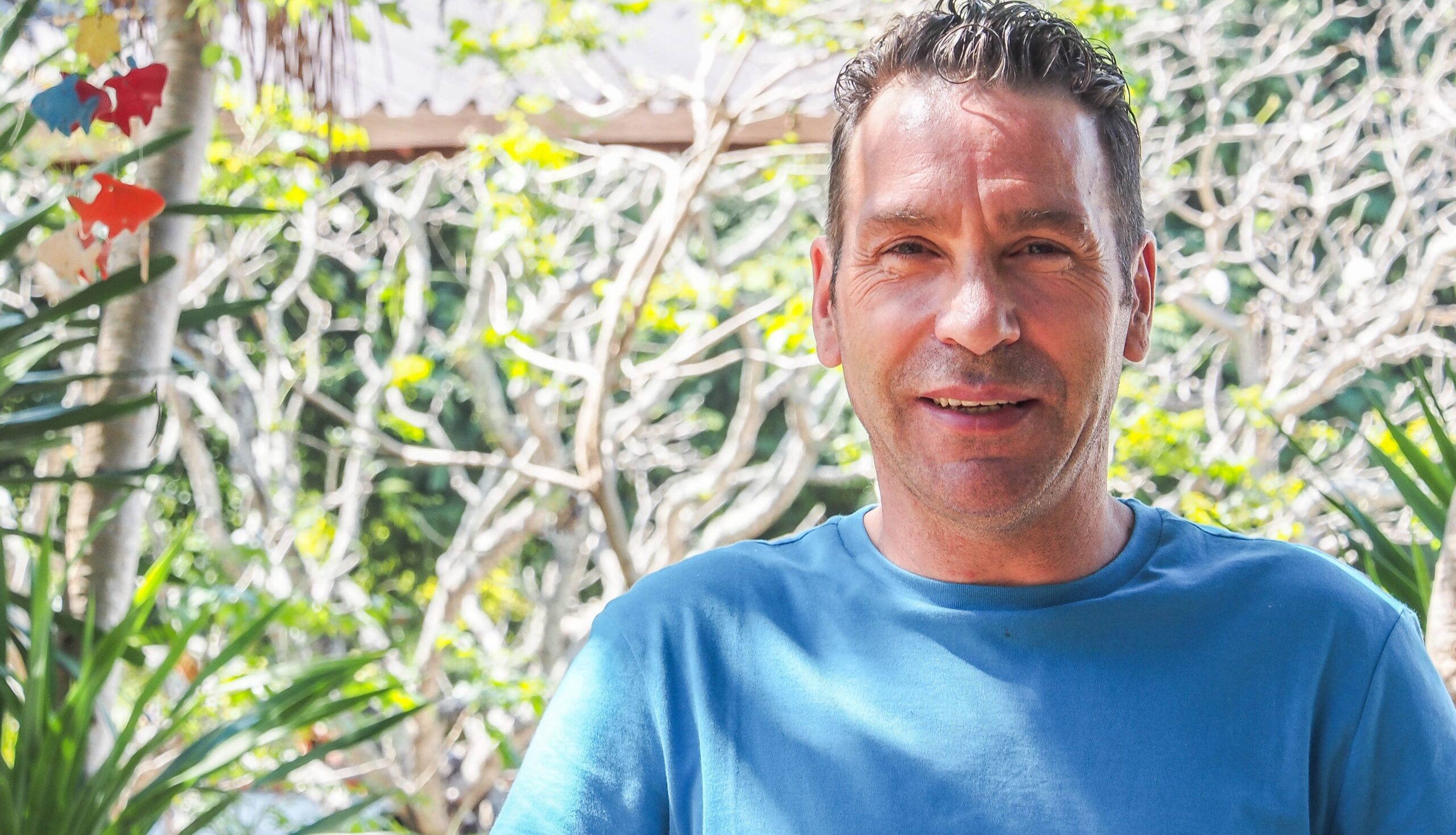
Simon Mott Founder Hope Rehab Thailand
Today at Hope
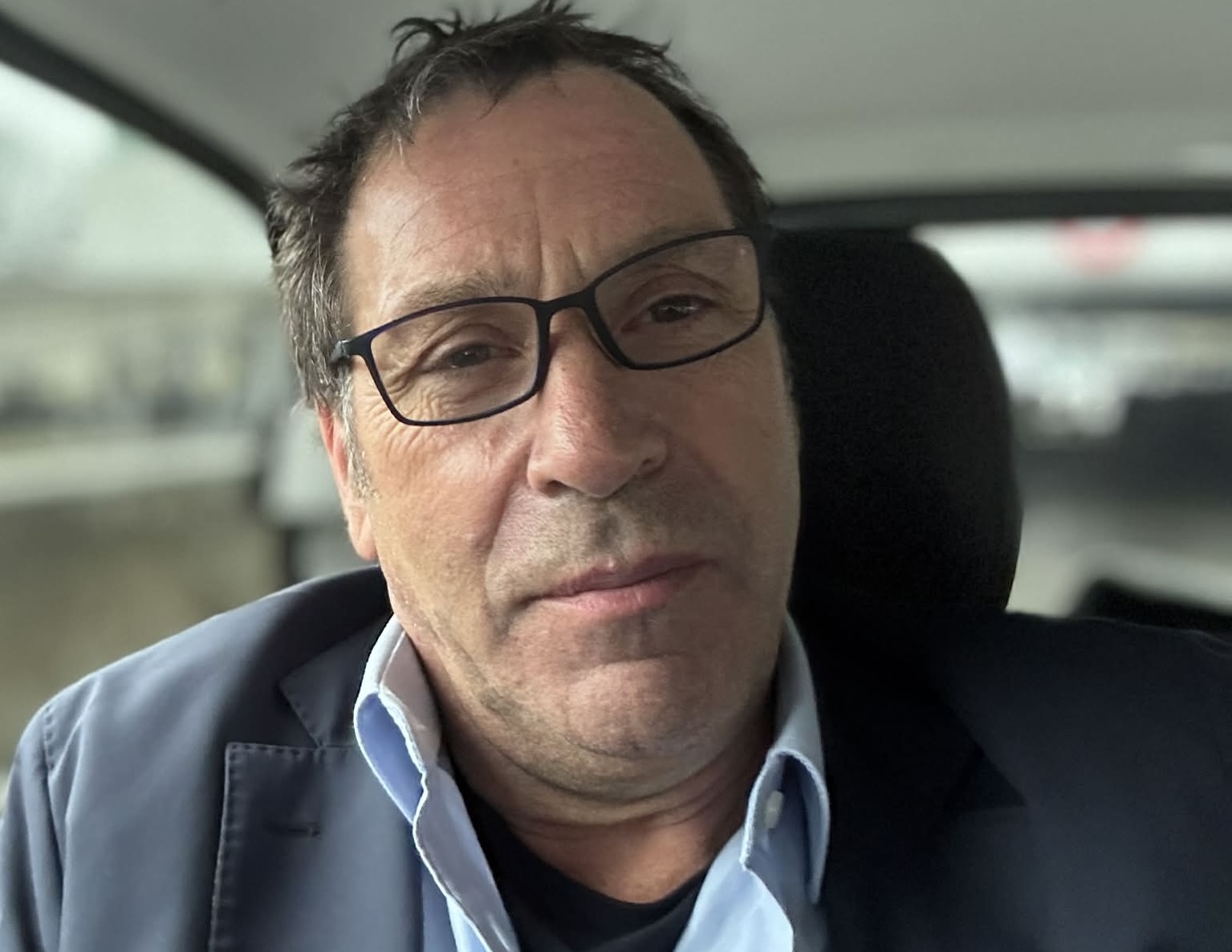
Simon Mott is the founder and creator of Hope Rehab in Thailand With more than two decades of personal recovery, extensive professional experience in addiction treatment, and a background in managing residential rehabilitation services and substance misuse programs in the UK, Simon brings both professional expertise and lived experience to his work.
Simon’s career has included managing residential rehabilitation services, criminal justice substance misuse programs, and public services for local government in London. His own experience of addiction and treatment has also given him a unique perspective. Having been a client in residential rehabilitation himself, Simon understands recovery not only from a professional standpoint, but also from the perspective of someone who has experienced the challenges of addiction and recovery firsthand.
Throughout his career, Simon has remained actively involved in the development of addiction treatment and recovery services. He has trained addiction counsellors, contributed to professional discussions around substance misuse, and advised government bodies on approaches to tackling addiction and substance-related harm. During his time working in London, Simon participated in the “All-Party Parliamentary Group on Drug Misuse”, which met regularly at the Houses of Parliament. He became a member of the “Federation of Drug and Alcohol Professionals (FDAP)” and is registered with the “Asia Pacific Certification Board (APCB)” as a qualified addiction counsellor.
Simon has completed specialist substance misuse training through the University of Hertfordshire and the Royal College of General Practitioners, including a Certificate in the Management of Drug Misuse. His areas of professional expertise include addiction treatment, Cognitive Behavioural Therapy (CBT), brief solution-focused therapy, motivational interviewing, dual diagnosis, LGBTQ+ and cultural awareness, safeguarding children and vulnerable adults, and the Minnesota Model approach to recovery.
Simon has also developed and published multiple recovery workbooks to complement the Hope Rehab program. These resources combine CBT, mindfulness, therapeutic interventions, fitness, sober coaching and practical recovery exercises, giving clients structured tools they can continue using throughout their treatment and beyond.
At the heart of Simon’s approach is the belief that successful recovery involves much more than simply stopping drugs or alcohol. The Hope program he created is designed to help clients understand the underlying causes of addiction, develop practical coping strategies, rebuild relationships, improve emotional wellbeing, and develop the skills needed to create a healthier and more sustainable life in recovery.
Addicts Helping Addicts from London to Thailand
My story by Simon Mott
When I first started helping addicts in London, giving them clean syringes at the needle exchange, I had no idea where it would lead. Six months ago I founded my own treatment center in an amazing part of the world – Thailand.
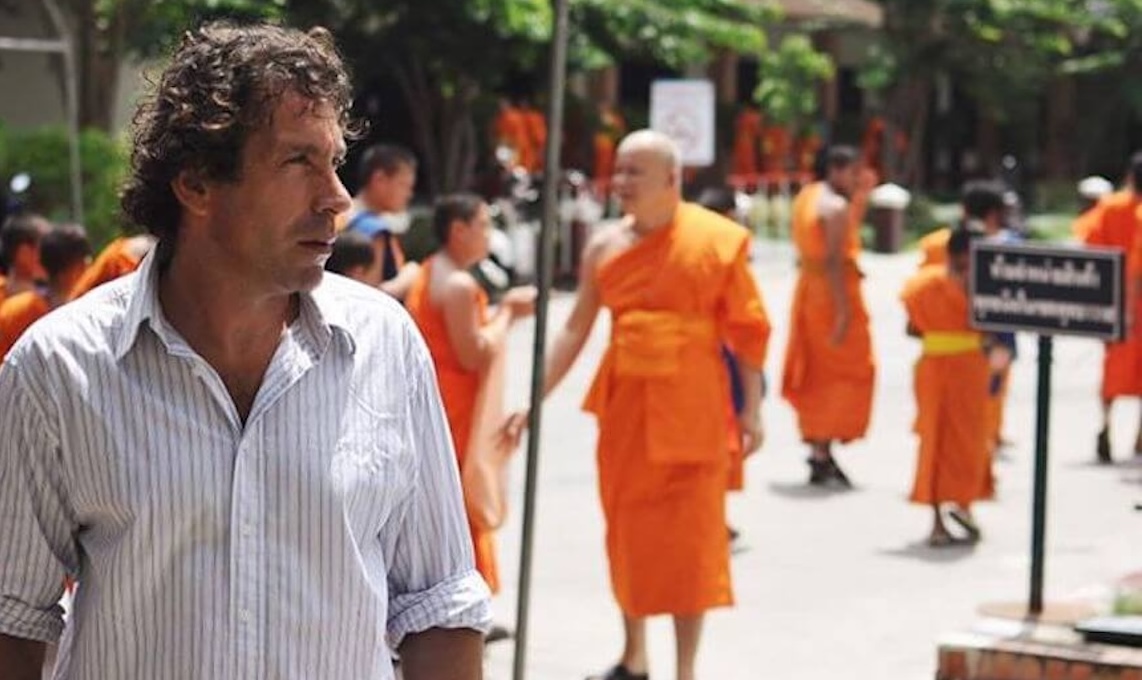
It all started when I was recruited by a luxury Rehab in Northern Thailand in 2010. Although I loved working as outreach on the streets of London helping homeless addicts, to be honest moving to Thailand was the best thing that ever happened to me.
Since I left the Uk, cuts have reduced jobs and services by half. I believe running costs are so high due to partly to much middle management and unnecessary bureaucracy.
Thailand has been my home for the last 15 years, it has given me a life beyond my wildest dreams. I love the people, the fresh food, culture, lifestyle and spirituality of the Kingdom.
We just founded a new treatment facility Hope Rehab Center, on the Gulf of Thailand – Its been in operation for 13 years and we have helped countless clients – I am pleased to report that many are still clean and sober and still in contact with us.
I wanted to create a new type of treatment model – what I call recovery-coaching in the community. I employ people in recovery to take our clients out.
They go to Thai-boxing, Restaurants, Elephant trekking, Temples and so on. This prepares them better for a sober life, instead of keeping them cocooned like traditional rehabs do.
I make it no secret that I am a recovering addict myself, so my life’s journey has had many ups and downs. Sitting here on the terrace of Hope Rehab Center overlooking Sriracha harbor, seems a far-cry from the hell I went through during my addiction.
I have a twin brother Toby, an artist, we went to Pimlico Comprehensive school in the late 1970’s – which has since been closed and demolished. To be honest I found Pimlico school a traumatic experience because I felt unsupported and I did not fit in. I went into the world unprepared and under-qualified to pursue any career or further education.
Being the terrible twins, Toby and I were always looking for trouble and we found it in Punk Rock at the age of 13 after the family moved to Pimlico. I remember the day it happened, we were roaming around making mischief when we happened to walk past BOY the Punk cloths shop on the Kings Road Chelsea, London, suddenly our old baby-sitter Nina came running out of the shop shouting ‘Toby Simon’ come here, she had bright red hair and a safety pin through her nose – From that day on we found our new identity.
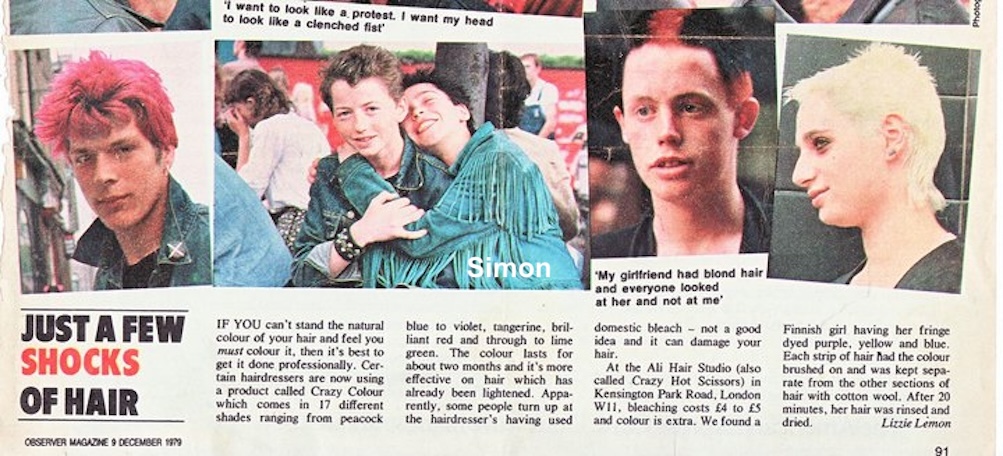
To date my brother is still involved with punk rock but as the historian and curator to the largest collection punk memorabilia and posters in the world.
It was at 16 years old I was introduced to heroin. Heroin seemed to make everything okay, particularly my low self esteem and emotional conflict being a twin.
So I spent 20 years roaming the planet, from Germany doing Auf Wiedersehen Pet to Hollywood painting film sets and travelling from state-to-state in America working to get high.
I tried getting clean at the controversial American cult Rehab community Synanon. Although it was a brutal treatment regime, with its head shaving and dungarees, I admired the back to basics approach and truth-telling groups known as the game. I have incorporated elements of this into the program.
People like Pete Doherty, Michael Barrymore, Cat Marnell, Gail Porter have been public about coming for treatment in Thailand. We also had a few Crown princes and other high profile names.
At first I felt uneasy counseling the rich and famous, and sometimes privileged, but addiction is a great leveler and my job is to help people no matter who they are. Truth is, seeing anyone as special or different would not help them anyway.
Thinking about it, there are more challenging clients than Celebs, E.g. Doctors, fighter pilots, SAS men, big business men, high achievers from all professions. Getting a doctor to be a patient, or a commando to surrender, a pilot to let go of the controls etc its not easy but possible, and I am in ore of them when they do.
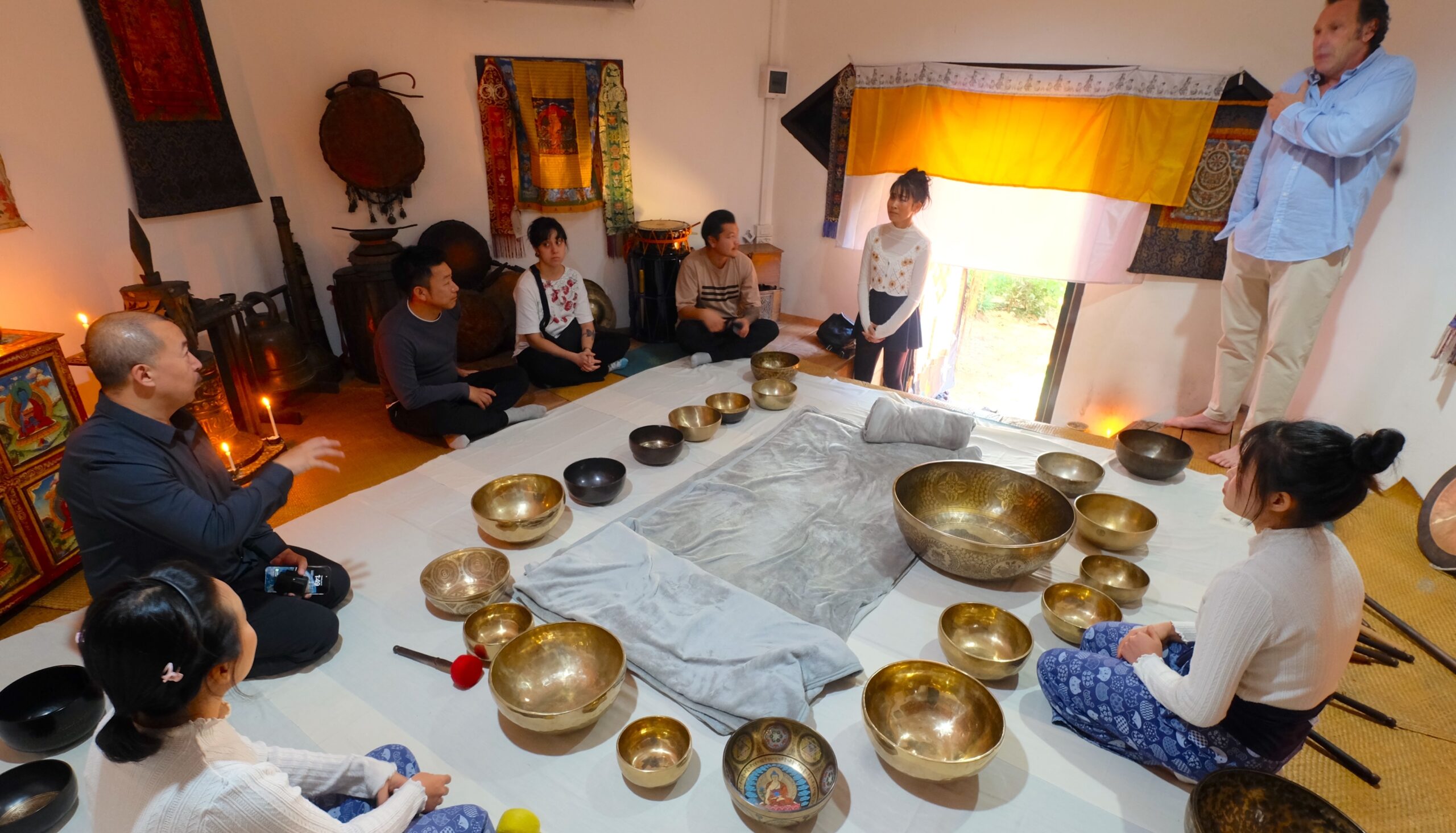
Our Thailand is a gentle and spiritual place
Thailand has a reputation for partying but that’s not the Thailand we live in: Sriracha is the forgotten Jewel in the crown of Thailand. Because of its commercial ports it has been ignored by tourism – a blessing for us perched on the hill over looking the ships moving in and out of the ‘Port of Siam’. An increasable sight for our clients, sitting on the terrace, watching the sun go down over the sea every evening.
I named our part of the coast here “the Monty Carlo of Thailand” however because of the many wild monkeys swinging around in the trees a client renamed it “Monkey Carlo”. Its very different from London but Addicts are the same where ever you go.
So together with Alon, our local meditation and yoga teacher and other recovering addicts, a cockney, some northerners and Henk the Dutchman we have created a very different program than you would get in anywhere else in the world.
Many of our clients come from Australia and use Ice-methamphetamines. We get a lot of Londoners because the treatment system is so ineffective now in the UK. They are mixing criminal justice clients and psychiatric patients with addicts and alcoholic. This can be traumatic for ordinary people just wanting help with an alcohol or drug problems.
Centres like the Priory in Southgate charge more than most families can could afford –average $30,000 for just one month. So it’s not just resistance to change that keeps people trapped in addiction.
Today so much more is understood about addiction, the American Society of Addiction Medicine (ASAM) sounds highbrow but actually has produced a user friendly guide to what addiction is and what recovery is. We have woven this modern approach into a traditional CBT and 12Step treatment program, making us certainly one of the best treatment centers in the world.
We have forged a relationship with a wonderful local Doctor, and together we have started a Thai speaking recovery groups for local alcoholics. A big part of recovery is helping other addicts – ‘we keep what we have by giving it away’ – We get our private paying clients to run the groups.
Everyday I wake up in paradise and I’m grateful for that. I look down from my window at the huge DC-3 passenger aircraft in my garden, across the Gulf of Thailand at the ships coming and going from the harbor. Also knowing my daughter Milena Simone is happy and making her way in the world as a singer and an artist – fills me full of joy, instead of the guilt I used to feel for not being the father I wanted to be.
“My name is ‘Simon’ and I am an addict”
There’s one moment in my life that will always be etched on my mind. I was in my late 30s, I’d been using heroin for 20 years and had overdosed for the umpteenth time. This time, I woke up on the kitchen floor with a syringe hanging out of my arm. I realised if that had been the shot that killed me, it would have been my mother who found me. I imagined her seeing me dead on the floor of my horrible flat that hadn’t been cleaned for months. I knew that was something she would never be able to get over and it filled me with horror and shame. It was the moment I began to turn my life around.
I had always been a bit of a wild child – I got into the punk scene when I was about 14 and started using recreational drugs such as speed and LSD. I first came across heroin when I was 16. I was at a friend’s squat in Islington and someone produced some. I was only too willing to try it. It was unlike any drug I had ever had.
I felt an incredible warmth throughout my body. It was like being in a bubble. I was totally at ease and felt I’d found the answer to all life’s woes. I was addicted immediately. I wasn’t dependent – that took some time – but I was totally hooked. It was like falling in love at first sight. Little did I know my 20-year struggle with heroin had just begun.
I come from a very privileged background. My family moved to Belgravia when I was in my early teens and I went to a private school called Town and Country School in Hampstead. It was one of those schools whose philosophy was to let children discover their own potential, so there was lots of freedom. Personally, I had a problem with boundaries to begin with, so I simply wasn’t able to manage myself under that regime – for me it just meant chaos.
My parents had no idea of the damage their hippie values did to me. They were beatniks who had met at art school. My father was a university professor and Marxist philosopher and they both shared the same values as a lot of post-war, middle-class parents did at that time – very left wing, believing that it was OK to let their kids run free. My parents believed that I was very artistic and all my skill and potential simply hadn’t been tapped into. But their intention to encourage creativity and a free spirit totally backfired.
I eventually got expelled for various reasons, including not turning up to games lessons and taking drugs, so they sent me off to a kibbutz for a while. I think they knew I was taking heroin but it wasn’t really spoken about. At the beginning I used to smoke heroin and always swore over my dead body that I would never inject it.
But when I came back from Israel I walked into a friend’s flat in Maida Vale and they were all sitting there injecting. They had moved on from smoking to shooting up in the six weeks that I had been away. I said, “Oh my God, what are you doing?” Within two hours my resolve had broken and I’d asked one of my friends to inject me. It was an overwhelming, instant effect – an amazing, orgasmic rush. At the back of my mind I knew I was getting in deep, but another part of me told myself I was in control and could stop whenever I wanted. Looking back, I was totally predisposed to addictive tendencies. I’m certainly not from a dysfunctional family, but I had issues within it. I’m a twin and my twin brother and I had a lot of difficulties with each other. We were never close and always highly competitive. I think we were both constantly fighting for my mother’s love and approval. I resented him. And as a child I had undiagnosed ADHD. I also had low self-esteem and I didn’t feel comfortable in my own skin. I was looking for something to fix me because I didn’t feel OK on the inside, and heroin was just the thing.
I moved from job to job and country to country, but the problem just came with me. I would always find myself back in the same position with a needle in my arm. Eventually, I came back to the UK and my existence was reduced to a life of petty crime. I was a shoplifter and an opportunistic criminal. I realised very quickly that being an addict was all-consuming. It totally limited my life, as every day I would get up and have to look for a way to make enough money to get the drugs I needed to keep the demons away. In monetary terms it was probably about £50 a day.
I cringe at the memory. Every day I became more of a mess; my hygiene was terrible and I got thinner and more wasted. I didn’t care. I became kamikaze and would just walk into a shop and pick up a TV. If I got caught I’d surrender immediately. I ended up wanting to get caught, as I thought maybe if I went to prison I could get some help.
But for me that never happened. They saw that I came from a respectable family and so they would send me off and expect my parents to pick up the pieces. They stereotype addicts and the more deprived background they come from, the more likely they are to get a prison sentence. I probably had about 20 offences to my name, but still they would only give me a conditional discharge.
It only ever gets worse if you are an addict. You cross more lines, you take more risks and your tolerance grows so you need even more drugs, until you get to the point where, rather than just getting stoned slumped in the corner, you desire total oblivion.
But that rock-bottom moment when I overdosed was the moment the drugs no longer worked for me. Even the highly efficient painkiller that is heroin couldn’t kill the fear of me imagining my mother finding my body. I felt utter despair and completely defeated. I couldn’t walk into another shop and steal again. I had nothing left to give. I begged for help and was given one final chance to go to rehab. That was nine years ago and I’ve been clean since.
I’m in my sixties now and basically lost a good chunk of my life to my addiction. I am making up for it now. After I was clean for five years I started to work in rehab. I’m now a therapeutic manager at the Cabin rehab centre in Chiang Mai in Thailand. I’ve been here for six months in one of the most beautiful settings in the world and it’s a job that is beyond my wildest dreams. We teach a modern take on the 12 steps and are probably one of the top-10 rehab centres in the world.
There are still consequences. I contracted Hepatitis C as a result of sharing dirty needles however thankfully with the help of modern medicine I have cleared it. I have an older daughter; I let her down repeatedly. I hurt her so badly it’s taken years to gain any trust. She is still angry with me and has issues of her own. Those years can’t be undone. But I’m so thankful they’re behind me.
Thanks for reading